Trace paper, perforated or nothing? The Ultimate Guide to Your Air Fryer
 (No Ratings Yet)
 Loading... (No Ratings Yet)Loading...
The air fryer has revolutionized the way we cook at home. Thanks to its ability to brown, crisp, and cook foods with little oil, it has become one of the favorite appliances for those looking for practicality and flavor. However, a detail that goes unnoticed by many is the use of paper inside the basket. Is it convenient to use it? Does it affect the result? Which type is better? 🤔
These doubts are more important than they seem, since the type of paper—or the decision not to use any—directly influences the texture of the food, the cooking time, cleanliness, and even the safety of the appliance. Therefore, fully understanding how each option works is essential to get the most out of your air fryer.
In this explanatory guide you will find a clear, practical and detailed comparison between greaseproof paper, perforated paper and cooking without paperwith examples, recommendations and warnings. This way you can choose the ideal option for each recipe and avoid common mistakes that can affect your results or even damage your fryer.
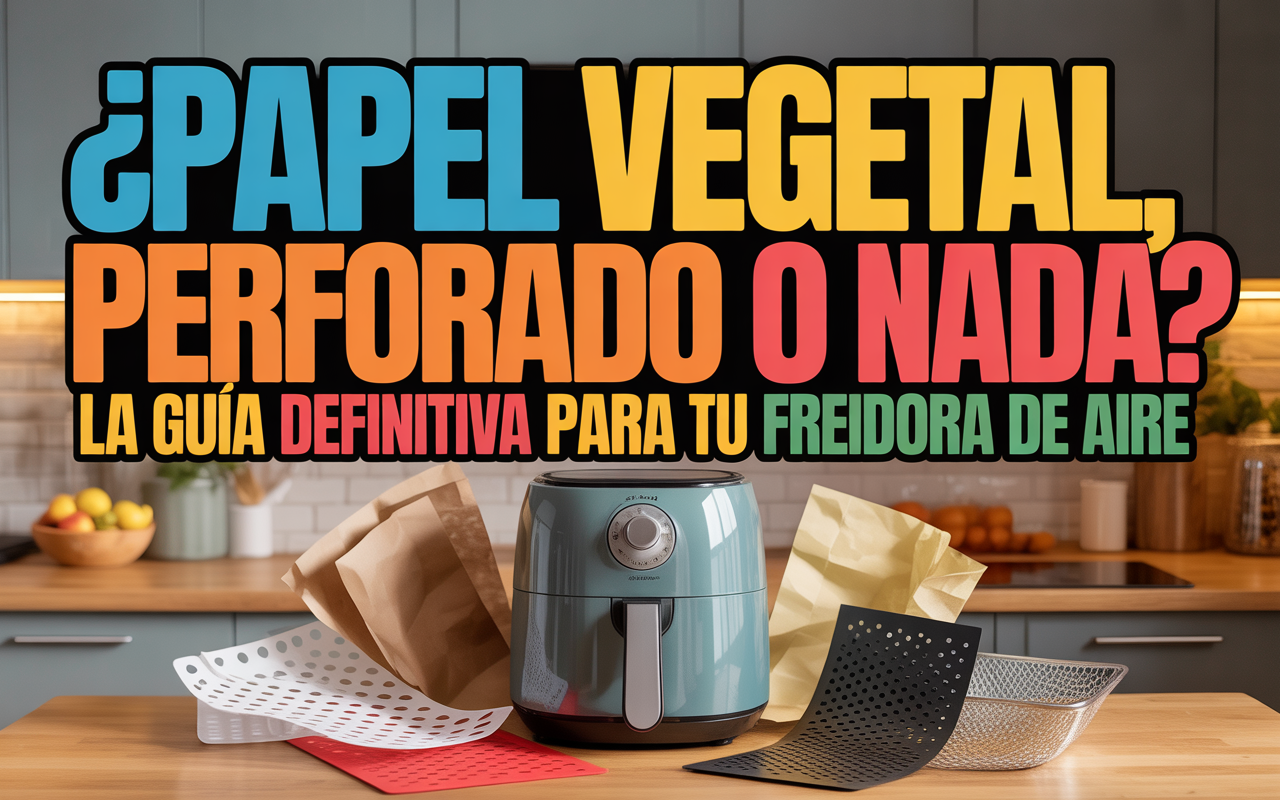
Trace paper, perforated or nothing? The Ultimate Guide to Your Air Fryer
Parchment paper—also called parchment paper or parchment paper—is an air pocket between comfort and safety. It is mainly used for prevent food from sticking and for retain juices or sauces during cooking.
1. Prevents food from sticking
When we cook fish, marinated meats or pastries, the juices can cause the food to stick to the basket. The parchment paper acts as a non-stick barrier that makes it easy to remove the food without breaking it.
2. Reduce cleaning
Juices that would normally fall into the basket stay on the paper, meaning less burnt waste and less work when washing.
3. Maintains juiciness
Because it retains some of the moisture and liquid, foods that dry out easily (such as white fish or marinated chicken) come out more tender.
1. Reduces air circulation
For an air fryer to work properly, heat must move freely around the food. When you put greaseproof paper covering the base, the air does not circulate equally, and that mainly affects the golden and the crunchy.
2. It can prevent uniform cooking
In some cases, especially with dry foods, the bottom may be softer and less browned than the top.
Fish with lemon and spices
Meats with liquid marinade
Cakes or wet doughs
Marinated tofu
Candied vegetables with honey or sauce
The vegetable paper It should always have weight on it (the food).
If it floats through hot air, it can fly, approach resistance and burn.
It should never protrude over the edges.
The perforated paper is designed specifically for air fryers. Its holes allow hot air to pass through, but at the same time protect the basket and reduce dirt.
1. Allows air to circulate properly
The holes make the fryer work as it should: the heat reaches from below, from the sides and above, achieving homogeneous cooking.
2. Maintains crispiness
Unlike normal greaseproof paper, this type does allow the base to brown, which translates into a result more similar to cooking without paper.
3. Reduce sticky batter
In preparations such as nuggets or battered vegetables, some pieces always come off. The perforated paper prevents sticking and burning in the basket.
1. Doesn’t control juices as well as regular paper
If you cook something very juicy (fish or marinated meat), some of it will pass through the holes.
2. Like greaseproof paper, it can fly if there is no weight on it
Although less likely due to the holes, it is still important to cover it with food.
Nuggets
Saint Jacob
Breaded vegetables
Croquettes
potato wedges
onion rings
Snacks that should be golden brown
It is the best option for those looking clean + crisp + safety.
For those looking for the crispiest texture possible, cooking directly in the basket is the best option.
1. Maximum air circulation
Nothing blocks the air flow, so the heat reaches the entire surface of the food completely evenly.
2. More intense gold
Since there are no barriers, contact with heat is more direct, achieving a very pronounced golden finish.
3. Ideal for dry or semi-dry foods
Potatoes, rolls, waffles or meats with little moisture develop a perfect texture.
1. More cleaning
The juices and leftover batter fall directly into the basket.
2. Food can stick if there is not enough oil
Especially in foods without natural fat.
3. Requires checking and turning food
To make sure it doesn’t stick and is crispy on all sides.
Meat to brown well
Bacon
French fries or wedges
Waffles
Bagels
Breaded fillets with little oil
Burgers without sauce
It’s perfect when you want maximum crispy and you don’t mind cleaning more.
To avoid problems such as smoke, paper burns, or loss of efficiency:
Don’t leave any side of the paper unweighted.
If you touch the resistance you can burn.
It must be placed only when the food is ready to go in.
Accumulated debris can cause smoke.
It depends on what you need in each recipe:
For juicy, delicate or saucey foods.
✔ Maximum cleaning
✔ Prevents sticking
✖ Less crunchy
The most balanced option.
✔ Good crunch
✔ Good cleaning
✖ Not ideal for very liquid sauces
For him more intense golden and crispy.
✔ Perfect result
✖ Requires more cleaning
✖ Risk of sticking if not controlled
Each method has its ideal moment. Learning when to use each completely transforms your air fryer experience, allowing you to get more professional, safer, and delicious results.


NOTE: INTERESTING RECIPES FOR THIS NEW YEAR… I’m sure you are also interested in these recipes.






 How to Remove Scratches from Your Ceramic Cooktop: The Ultimate Guide
 How to remove red wine stains: complete guide
 Gratin zucchini with tomato and cheese with air fryer – Air Fryer
 Roasted césar style broccoli in air fryer – Air Fryer
 Mini Croissants of Chocolate in Air Fryer – Air Fryer
 Crispy chicken wrap in air fryer – Air Fryer
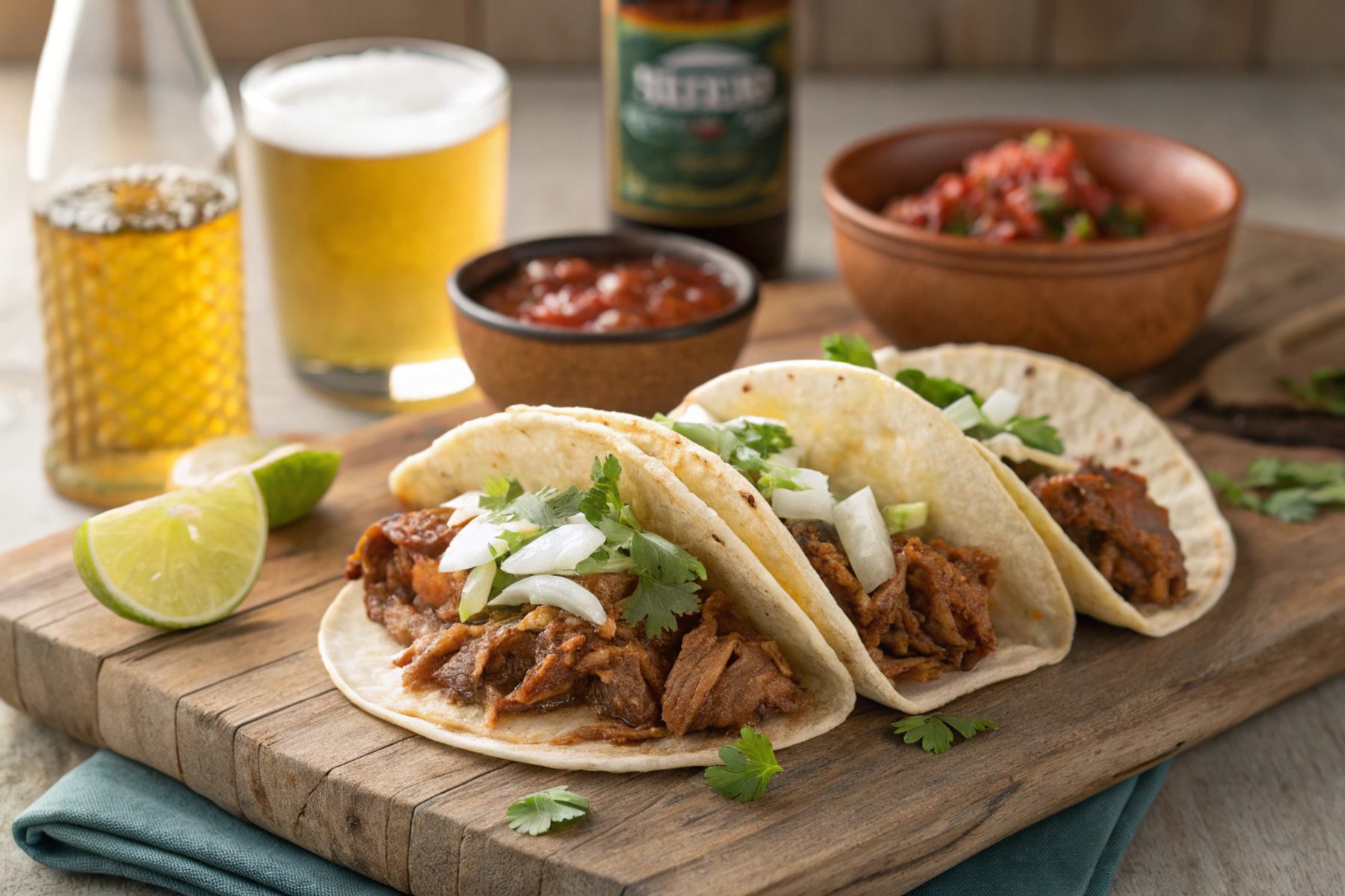 Pork tacos in air fryer – Air Fryer
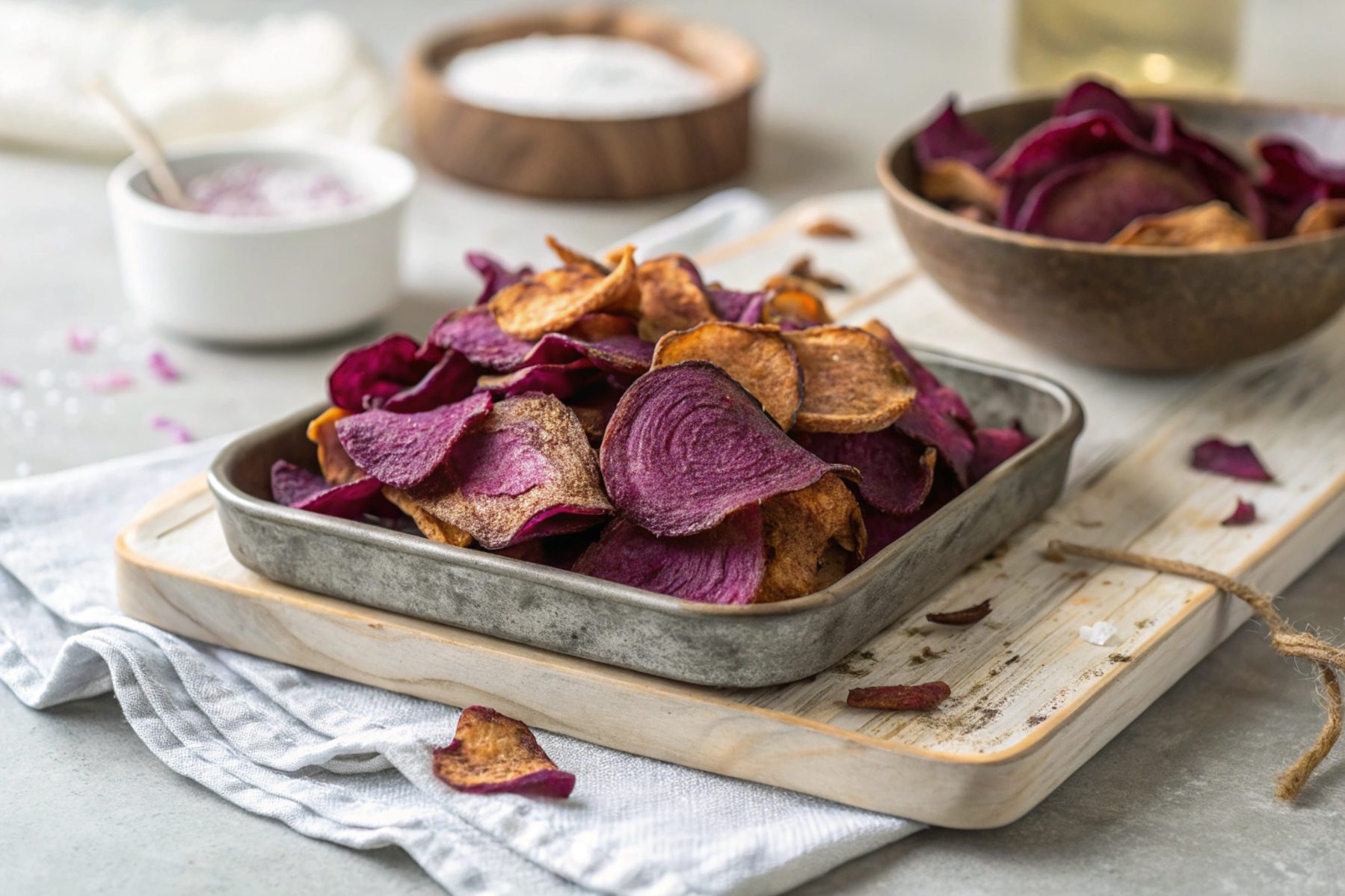 Beet chips in air fryer – Air Fryer
 Pizza -style garlic bread with air fryer – Air Fryer
 How to make pumpkin pipes in air fryer – Air Fryer
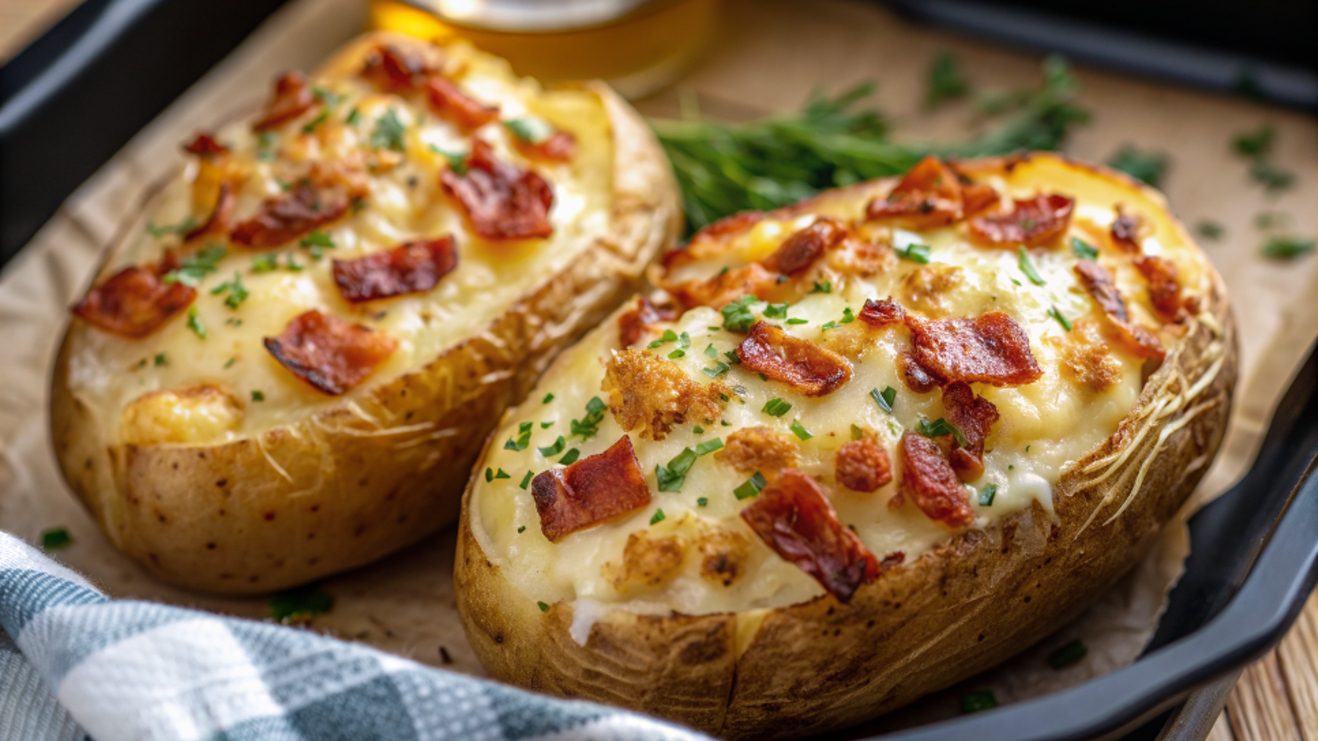 Potatoes stuffed with bacon and cheese with air fryer – Air Fryer
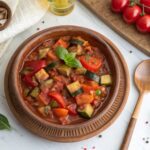 Express pisto in air fryer – Air Fryer
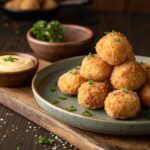 Irresistible leftovers in air fryer – Air Fryer
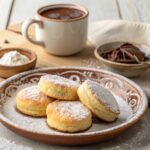 Irresistible banana biscuits in air fryer – Air Fryer
 Frittata Style Mexico in Air Fryer – Air Fryer