Fluffy Ensaimadas in Airfryer
 (No Ratings Yet)
 Loading... (No Ratings Yet)Loading...
Get some Fluffy Ensaimadas in Airfryer It seems like a technical challenge worthy of a Balearic master baker. However, thanks to rapid convection technology, today it is possible to enjoy this delicacy at home in a simple way.
Many baking enthusiasts face the problem of dry doughs or raw centers when trying to adapt traditional recipes. The agitation of hot air in the fryer often dries out the surface before the interior can properly rise.
However, the solution lies in controlling the temperature and using the butter correctly. According to studies on the history of the ensaimada of Mallorca, the secret of its laminated texture is the extreme stretching of the dough.
In addition, by using an Airfryer, we reduce energy consumption compared to the traditional oven. Consequently, we obtain a sweet of artisanal quality with modern efficiency that will surprise all your guests this weekend.
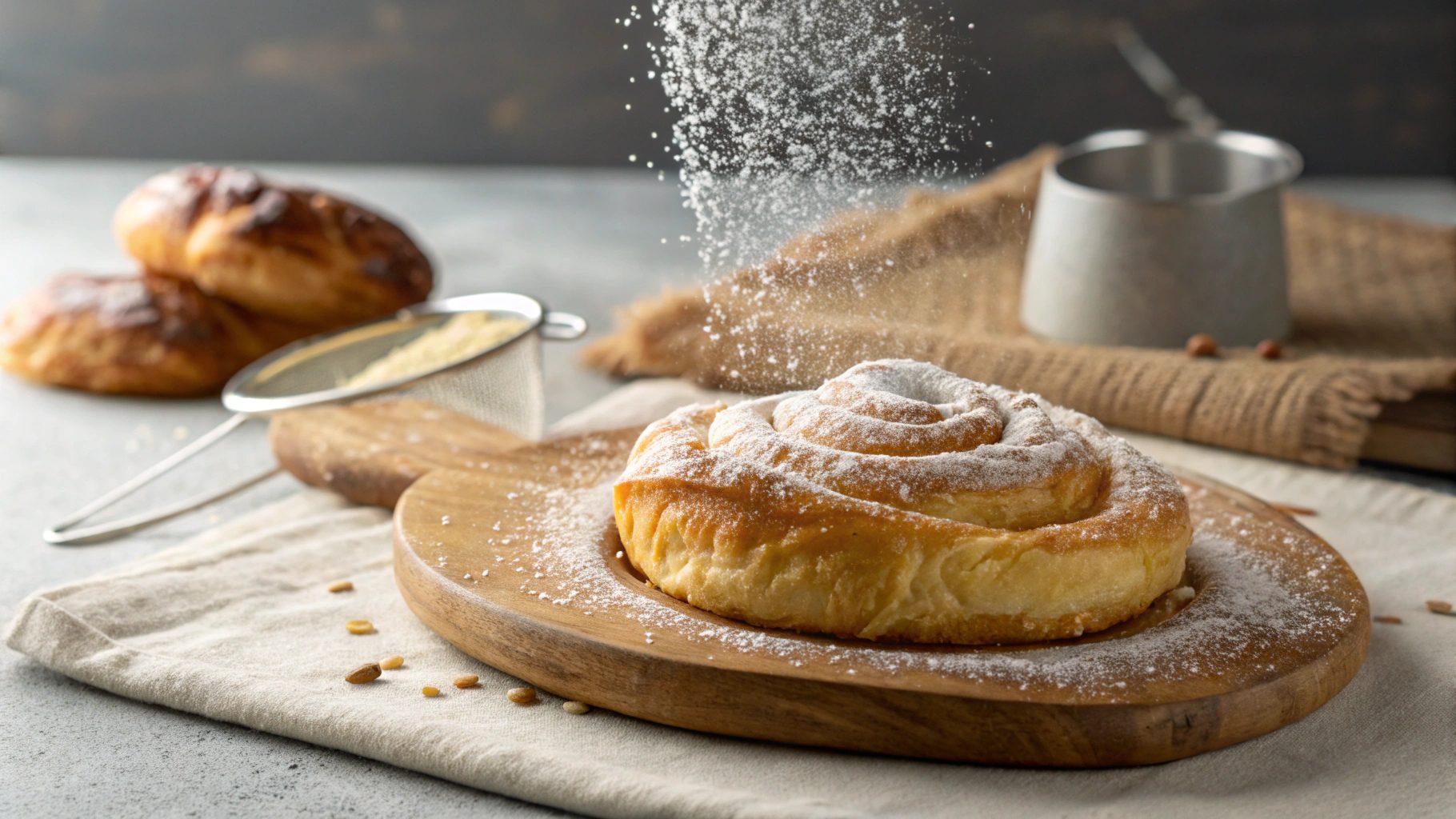
Fluffy Ensaimadas in Airfryer
The search for healthier and faster alternatives has positioned the Fluffy Ensaimadas in Airfryer as one of the most viral recipes on social networks. Light saving is a determining factor today.
Unlike the large oven, the basket of the fryer concentrates the heat optimally for individual pieces. This allows air to circulate around the dough spiral, creating a crust. crunchy and a tender core.
On the other hand, the versatility of this technique allows you to experiment with fillings without dirtying the entire kitchen. Without a doubt, it is the favorite option of those looking for signature pastries in an individual and uncomplicated format.
To master airflow, you should never crowd the pieces together. Air must pass freely between the turns of the ensaimada so that they grow evenly during cooking.
It is essential preheat the device. Additionally, I recommend using a circular piece of baking paper to facilitate extraction without breaking the delicate structure of the dough once cooked.
This list is designed to obtain an elastic and professional dough using your food processor or mixer.
Variations: for a version Lactose Freemake sure the butter is pure. If you are looking for a touch Gourmetadd lemon zest to the initial dough.
Mix the water, sugar and 20g of butter at 37°C. Add the egg and crumbled yeast. Add the flour with the salt and knead for 3 minutes in spike mode until elastic.
Rest the dough 30 min. Divide into balls and roll out on an oiled surface until almost transparent. Spray a little oil helps if the environment is dry.
Spread the butter generously. Roll it into a long cord and then form the spiral on baking paper. Leave space between turns for growth.
Let it rise for 8 to 12 hours in a warm place. The ensaimadas should triple their size and look airy before entering the basket.
Set to 160°C. Cook 8-10 min. If they brown quickly, lower it to 140°C. Hectic: It’s not necessary, but keep an eye on the color halfway through.
| Phase | Temperature | Time | Action |
|---|---|---|---|
| Preheating | 160°C | 3 min | Basket emptying |
| Base Cooking | 160°C | 5 min | Browning control |
| Finalized | 140°C | 3-5 min | inner body |
Can I use butter instead of lard?
Yes, but the flavor and texture will change slightly. The butter is what ensures that they are authentic and last longer tender.
Why is my ensaimada hard on the outside?
Probably the airflow was too strong or you didn’t use enough butter when stretching. The fat protects the crumb during quick cooking.
Can they be frozen before baking?
Clear! You can freeze them once formed. Then, let them defrost and rise for the usual 12 hours before putting them in the Airfryer.
Is the 12-hour rise mandatory?
Absolutely. Slow fermentation is what creates the internal alveoli. Without this time, you will get a dense bun instead of an ensaimada.
How do I prevent powdered sugar from disappearing?
The secret is to wait until they are completely cold. If the bun is warm, the moisture will melt the sugar instantly.




NOTE: INTERESTING RECIPES FOR THIS NEW YEAR… I’m sure you are also interested in these recipes.














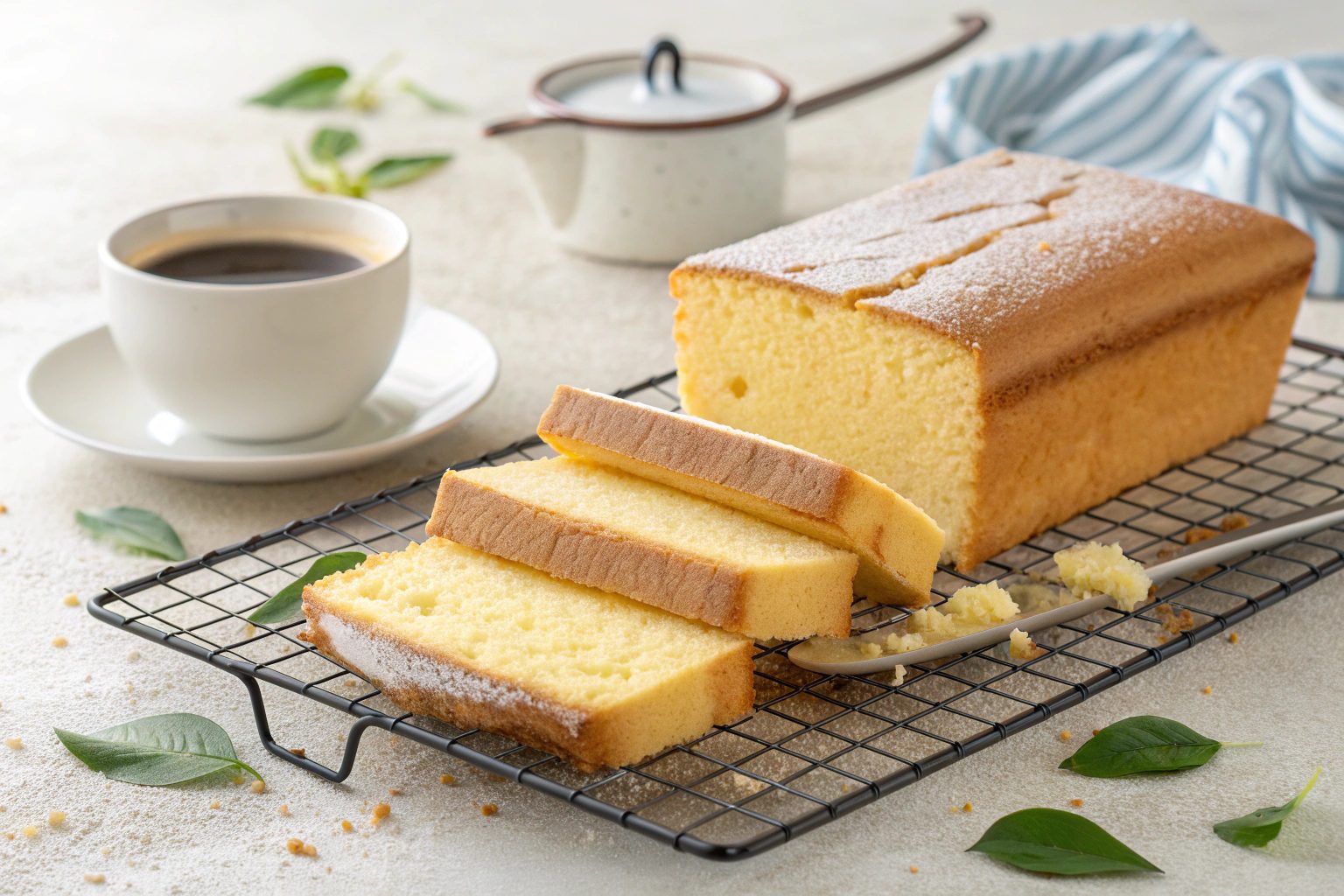 Fluffy Vanilla Cake in Air Fryer
 Fluffy cake with pears and almonds with Thermomix
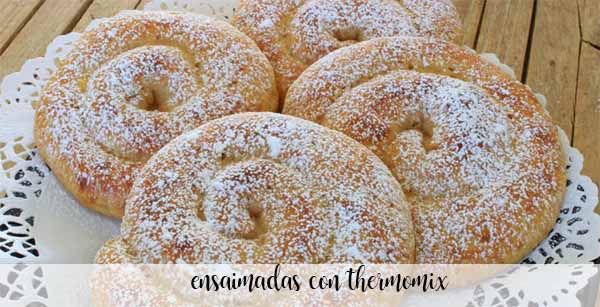 ensaimadas with thermomix
 Fluffy banana and chia smoothie with thermomix
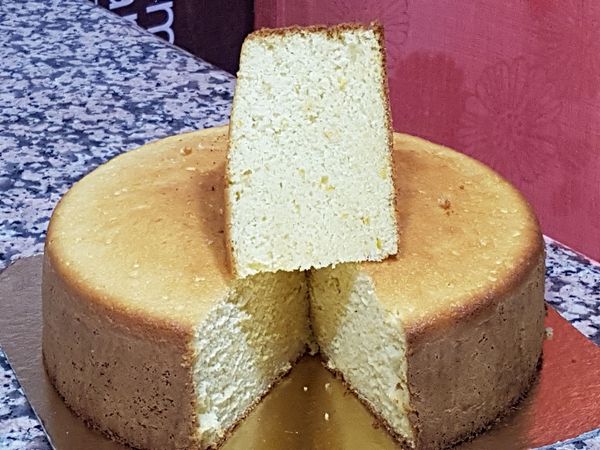 Fluffy citrus cake with thermomix
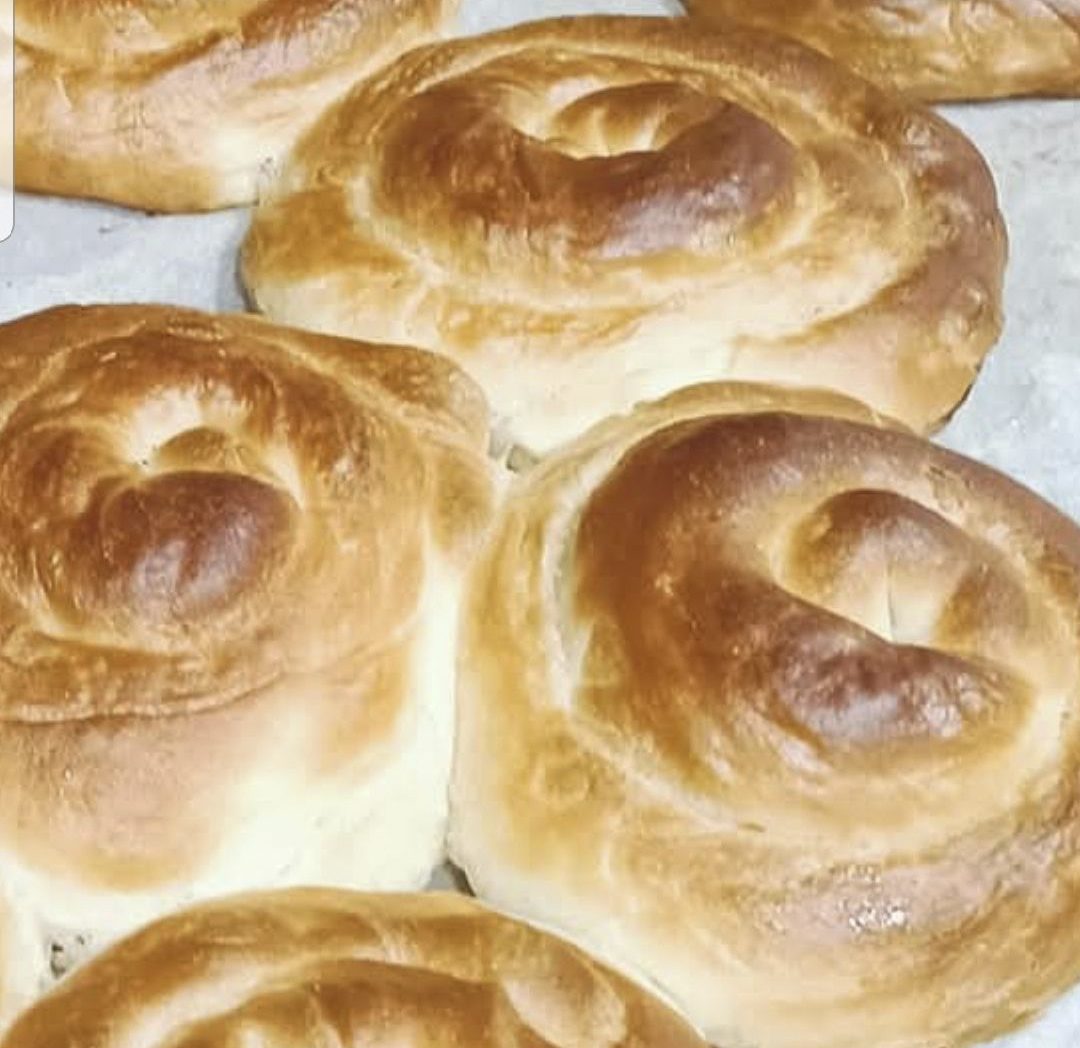 Angel Hair Ensaimadas with Thermomix
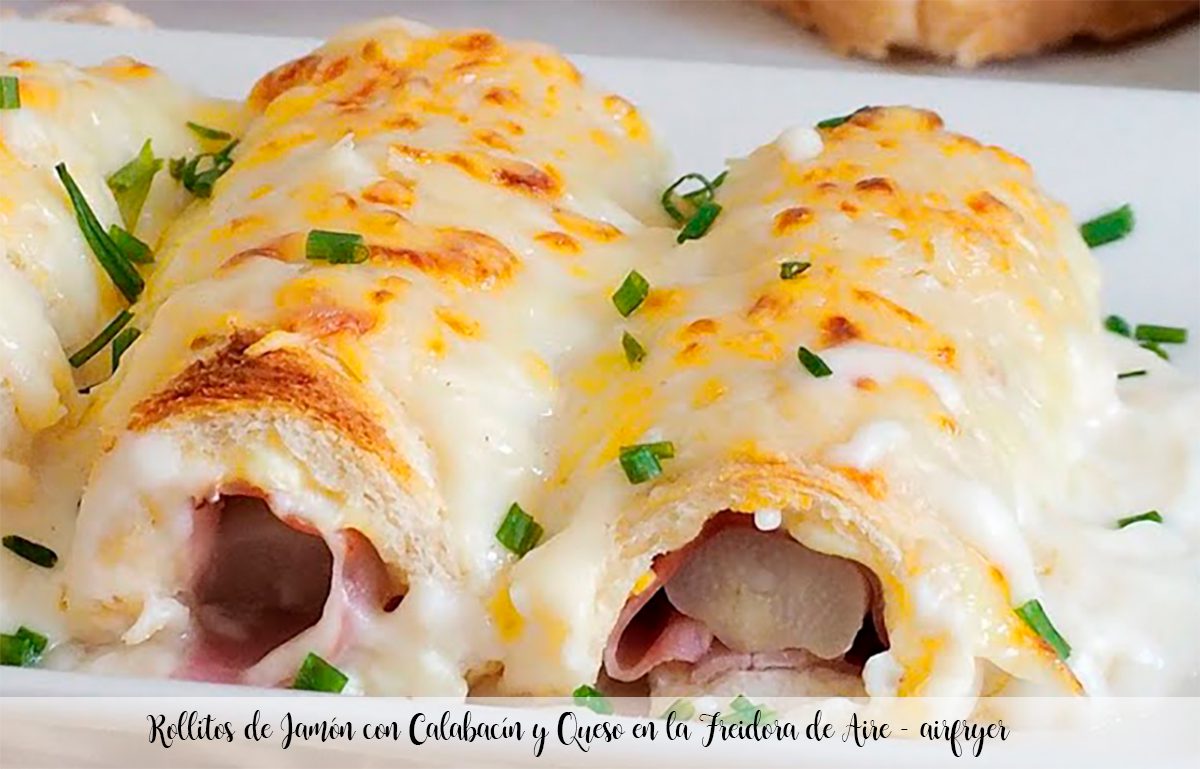 Ham Rolls with Zucchini and Cheese in the Air Fryer – airfryer
 Crispy zucchini canes in air fryer – Airfryer
 Crispy salmon diced with air fryer – Airfryer
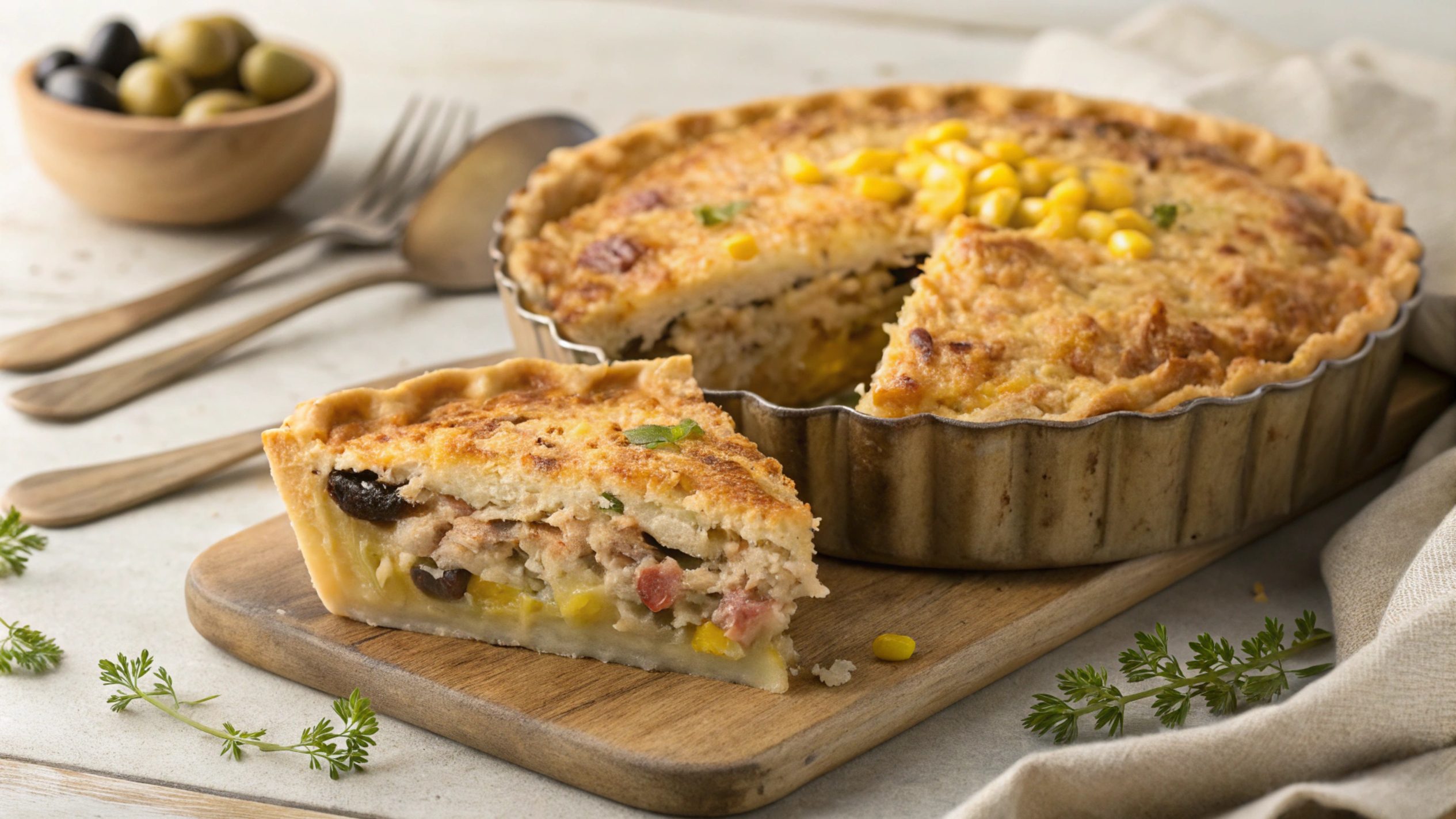 Potato and tuna cake in air fryer – Airfryer
 Zucchini and goat cheese quiche in air fryer – Airfryer
 Japanese cheesecake in air fryer – Airfryer
 Burger XXL tortilla in air fryer – Airfryer
 Gnocchi with pumpkin cream in Airfryer
 Marbled Cookies in Airfryer